Dark Sky Experiences in the Wimmera Mallee
Q and A with Will Hudson
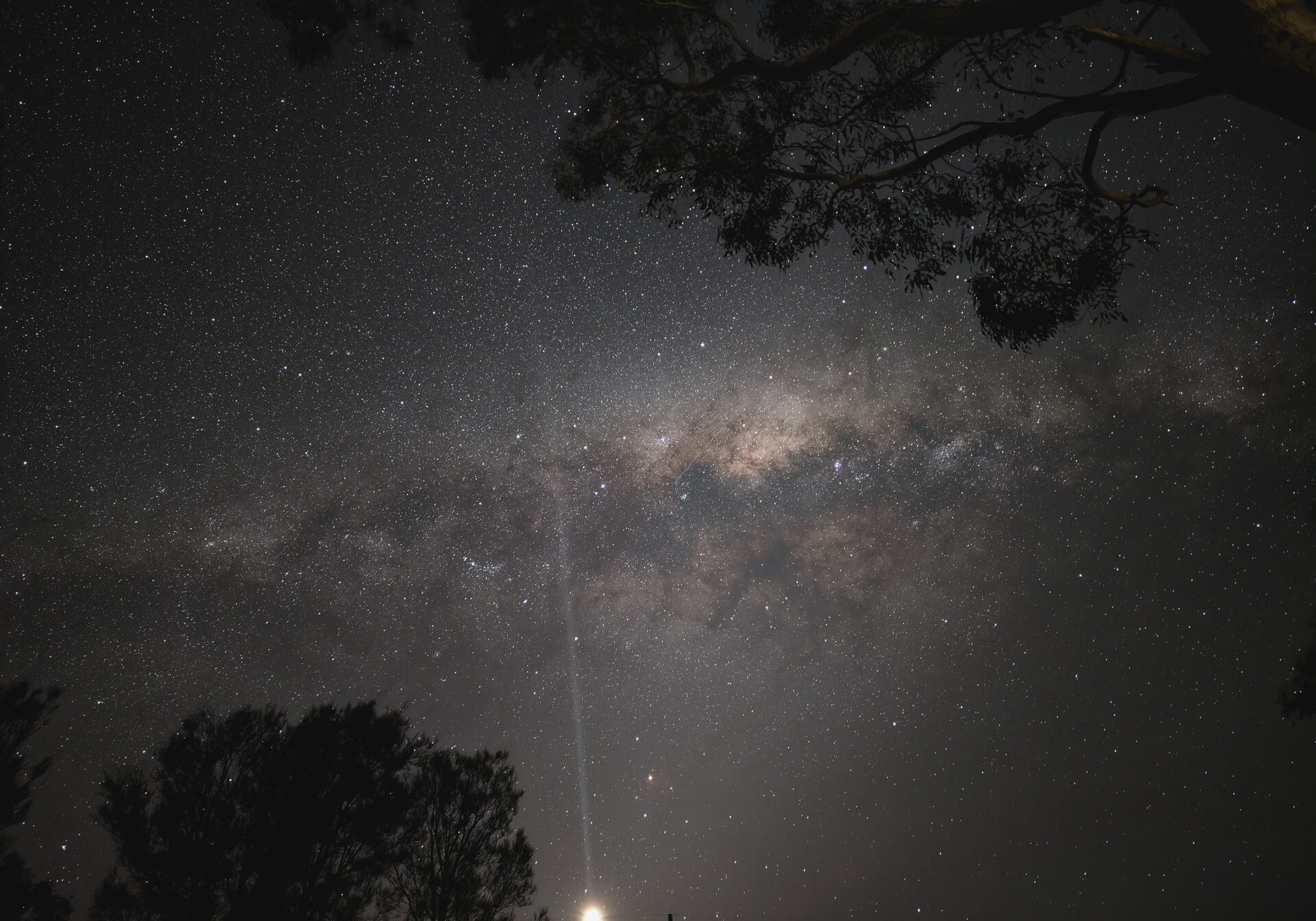
When night settles over the Grampians and Wimmera Mallee, the landscape softens and the sky takes over. Stars sharpen. Silence deepens. Stop and look closely. The landscape has more to offer by night and the dark sky experiences are epic.
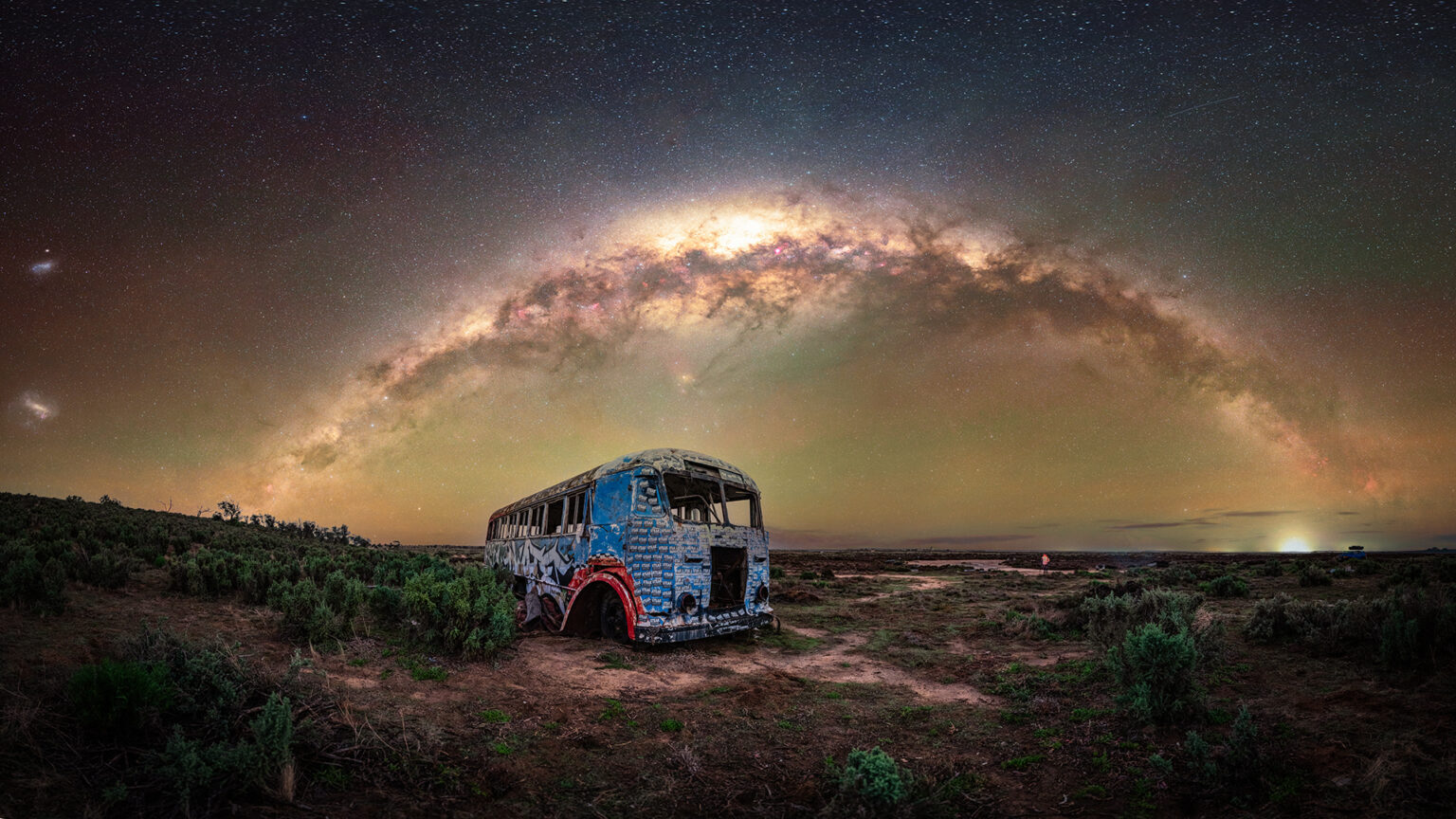
Will Hudson is a Grampians business owner (Livefast Cafe) and amateur astrophotographer who spends countless nights beneath the region’s big night skies. What began as curiosity has grown into a deep appreciation for the region after dark and a desire to help others experience it for themselves.
In this Q and A Will shares practical advice and personal insight into why the Grampians and Wimmera Mallee offer some of Victoria’s most compelling dark sky destinations.
Where did your interest in the night sky begin?
I’ve spent a lot of my life in and around the Grampians and much of that time has been outdoors. It wasn’t until my late thirties that I really began paying attention to the night sky above me.
It started with an old DSLR camera I’d owned for years and an impromptu aurora hunt after hearing reports of increased activity. That first night completely changed how I saw the sky. It felt like discovering a whole other world that had always been there, but had gone unnoticed.
What makes the Wimmera Mallee such a special place for stargazing?
The Wimmera Mallee is an incredibly beautiful place to experience the night sky. The region offers huge variety in landscapes and viewing angles and there is very little light pollution.
Stars shine brighter here and there is always something different to see throughout the year. You can also find space and quiet which makes the experience feel more personal and immersive.
Where would you recommend for easy night sky viewing?
There are plenty of car-accessible places right across the region that are perfect for beginners and families.
Mount Arapiles–Tooan (Djurite) State Park offers some of the region’s most accessible stargazing. The main summit lookout and nearby viewing areas can be reached by car during daylight hours, so you can settle in before sunset and enjoy the night sky without needing to walk after dark.
Further north, Lake Tyrrell (Direl) provides an unforgettable, low‑effort stargazing experience.
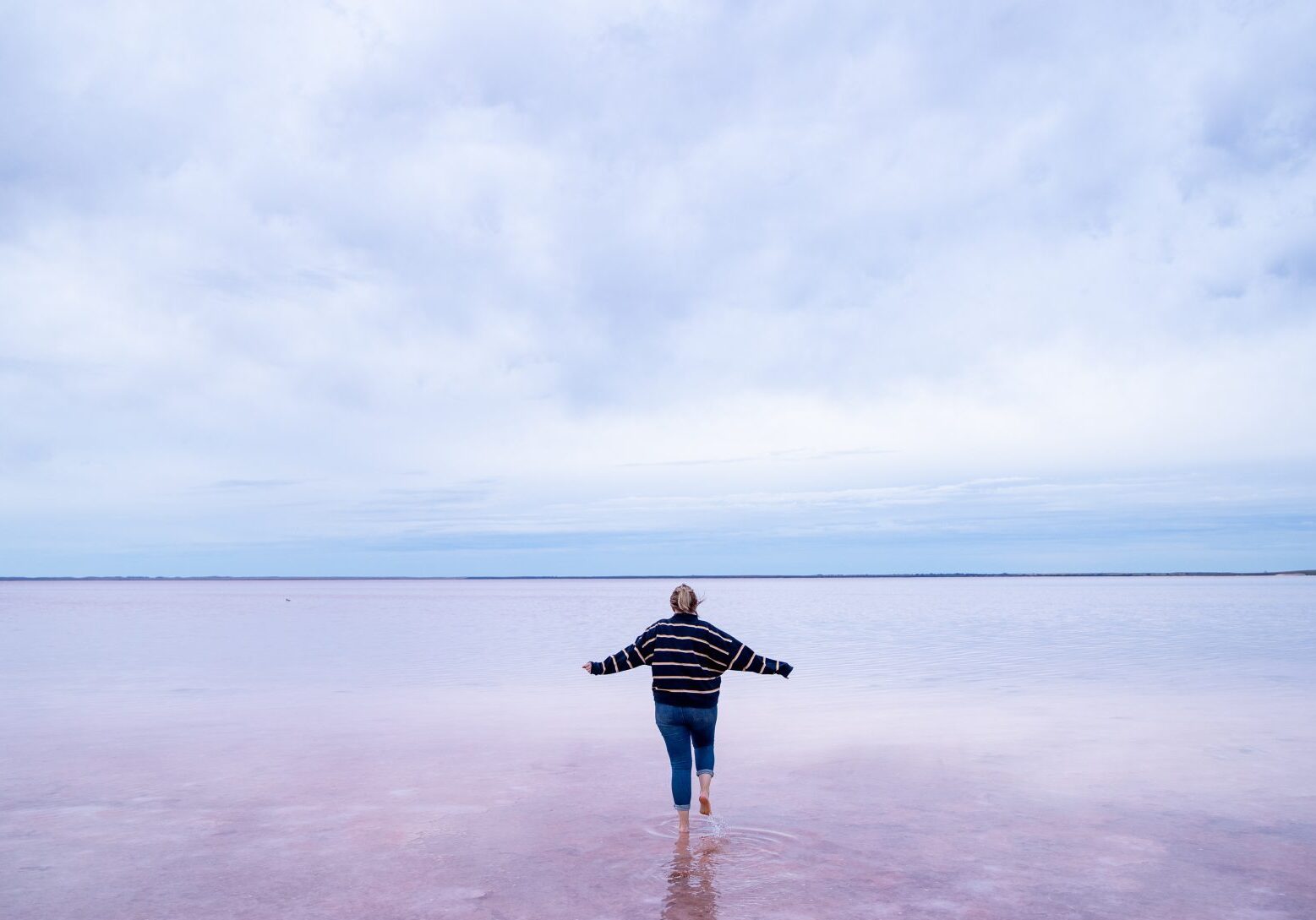
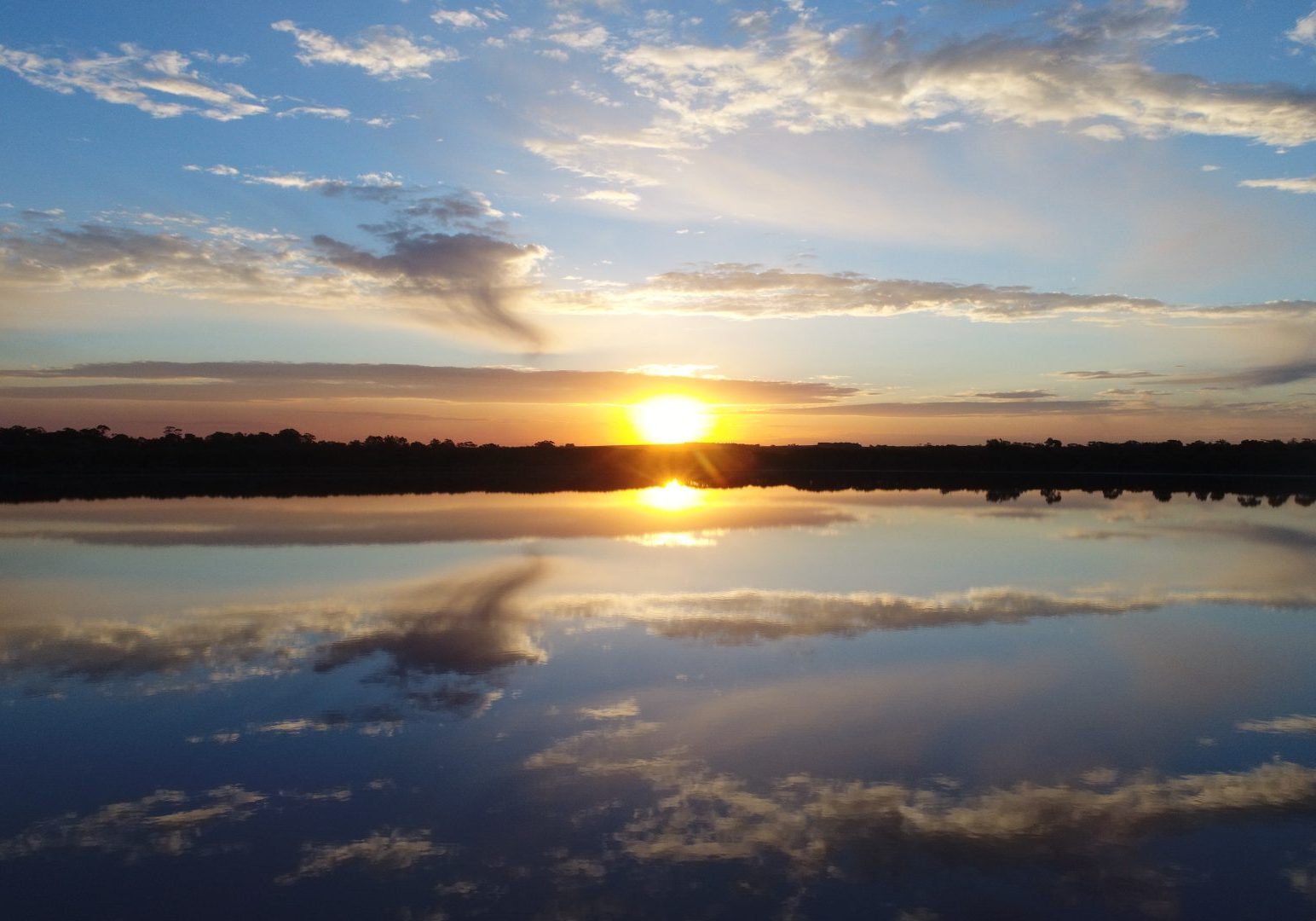
The viewing platforms and lake‑edge access points are close to parking areas, making it simple to arrive before dusk and watch the stars emerge over the vast salt lake. When conditions are still, the shallow water creates a mirror-like reflection that doubles the night sky.
Both locations offer wide horizons, minimal light pollution and easy access, making them ideal for anyone wanting a spectacular night-sky experience without night hiking.
When is the best time of year to go stargazing?
Any time of year can be great. Winter has longer nights which means you can still be home at a reasonable hour and the Milky Way galactic core is visible throughout the season.
Summer brings warmer temperatures, but shorter nights and different targets like Orion and hydrogen-rich nebulae. The most important thing is planning around clear skies and minimal moonlight rather than focusing on a specific season.
How important are moon phases and weather conditions?
They play a big role. If you really want to maximise what you see it’s best to plan around the new moon. Stars are still visible during a full moon, but contrast and detail improve significantly when the moon isn’t dominant.
Checking cloud cover is also essential. Tools like Predict Wind, the Bureau of Meteorology, Clear Sky and Ventusky help a lot. Choosing a night with pleasant weather also makes the experience far more enjoyable. Being cold and unprepared can quickly shorten a great night out.
Is it possible to see the Aurora Australis in the Wimmera Mallee?
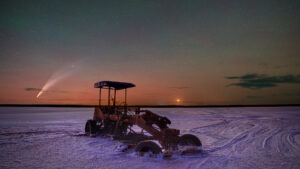
Yes, it is possible, but it’s important to manage your expectations. You need clear skies, a clear view of the southern horizon minimal light pollution and the right space weather conditions.
Aurora chasing takes patience and persistence. In the early days I might have gone out twenty times to capture one aurora. As knowledge grows so does success, but it’s still an advanced target and never guaranteed.
Auroral activity follows an eleven-year solar cycle with peaks of increased activity. While the most recent solar maximum has passed, auroras can still occur at any time. Modern cameras and smartphones have also made it easier for people to capture them when conditions align.
What equipment do you recommend for beginners?
Smartphones are incredibly capable now. Learning how to use longer exposures between ten and thirty seconds, higher ISO settings and a tripod can produce great results.
For those wanting to take the next step; a tripod, a DSLR or mirrorless camera and a wide-angle lens is a solid setup. A 20mm lens with a low aperture like f1.8 is a great all-round choice that works beautifully in the Grampians.
What can people expect to see without a camera?
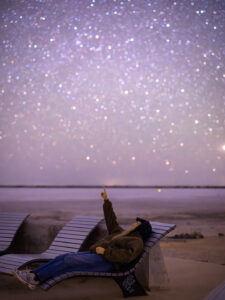
Stargazing without a camera is one of the most relaxing experiences you can have here. On a clear night you will regularly see bright stars meteorites satellites and aircraft drifting across the sky.
All you really need is warm clothing, a rug and some time. Lying back and watching the sky above you is peaceful, grounding and completely free.
What advice would you give families heading out for their first night sky experience?
Staying warm and comfortable is the most important thing. Check the forecast know where you are going before dark and always carry a phone and headtorch with spare batteries.
If you are walking, stick to marked trails and take water. Snacks and hot drinks are always a good idea. Apps like Stellarium and Stellar Tour are great for identifying constellations and keeping children engaged. These experiences often become lasting memories.
Why do dark sky experiences feel so powerful in the Wimmera Mallee?
There is something about standing beneath a sky like this that makes you slow down. It puts things into perspective. The region after dark feels bold grounded and quietly awe-inspiring. It’s not just about what you see. It’s about how it makes you feel.
To see more of Will’s stunning photography visit his Instagram account – @willmhudson